- ATP – All Things Psychology
- Posts
- 🔋Many New Year’s Resolutions Fail by February (ATP#35)
🔋Many New Year’s Resolutions Fail by February (ATP#35)
Here’s how to make yours stick

Dr. Schmidt
January 26, 2026
Welcome to ATP—All Things Psychology, a newsletter that brings bite-sized research pieces from Psychology and Neuroscience straight to your inbox, with one goal: To help you leverage science to improve your life.
Not a subscriber yet? Subscribe here so you don’t miss the next one!
Hello!
After an extended break, the ATP—All Things Psychology newsletter is back!
Thank you all for your patience, kind messages, and hello to all my new subscribers! Over 1000 people have signed up for this newsletter already, and I couldn’t be more grateful.
My mission for 2026 remains the same as last year: to bring real science from psychology and neuroscience to you, making it accessible and applicable. My aim is to cut through the self-help noise on social media and beyond and show you what actually has scientific backing.
And because this is the first newsletter edition of the year, the topic is obvious: New Year’s resolutions.
What’s so special about the new year?
The new year triggers something called the ‘fresh start effect’ in Psychology. Think of it as a temporal landmark that signals a new beginning, and people align with it to start a diet, a workout routine, etc. The fresh start effect also applies to the start of a new week, month, or quarter.
Regarding New Year’s resolutions, it’s assumed that many already fail by February.
Let’s analyze why they fail and how to make them stick!
Reason #1: You’re relying on motivation or willpower instead of systems
Many people start the new year really motivated. But then life happens and gets in your way.
Sooner or later, you return to your old habits.
That’s because motivation and willpower are unreliable resources, and they won’t help you in the long term. What will help you is building systems.
We’ll discuss two ideas for establishing these systems: habits and environmental design.
Habits
Habits are automatic actions triggered by a specific context without you thinking about them or employing any effort. Think of the first thing you do when you get up in the morning, or how you lock your door when you leave your home. Those are habits.
Research shows that self-control relies more on habits than willpower. To improve your self-control, you need to establish the habits that support it.
The best way to make a habit stick is repetition. So, regardless of which habit you aim to establish, repeat, repeat, and repeat. I covered habit formation in an earlier edition of this newsletter.
Environmental design
Another tip is to design your environment so that it supports desired behaviors and/or adds friction to unwanted ones. For example:
If you want to work out more, have your gym bag handy and choose a gym near your home or workplace, or train at home. The idea is to make it as easy as possible.
If you want to eat less candy, don’t keep candy at home, or at least keep it out of sight and hard to reach. The idea is to increase friction to make this unwanted behavior less likely.
Reason #2: You don’t know your why
New Year’s resolutions also fail because the why behind them is unclear. It’s harder to stick to something new if it’s unclear why you want it.
For example, one of the most common New Year’s resolutions is about weight loss. But why do you want to lose weight? Is it because society deems being thin as an ideal? Is it because your doctor told you to lose weight?
If you know your why, you’re more likely to succeed.
So before you start working on a new goal, get crystal clear on your motivation.
Reason #3: You’re too vague
“Work out more” or “lose weight” are vague goals. They lack a link to action. You need a plan on how to get there.
For instance, regarding the “work out more” goal, you should translate it into a workout plan: which days of the week you’ll work out, what kind of workout you’ll do, and the duration of each session. The more specific, the better.
Research shows that implementation intentions increase your chances of success. Implementation intentions are if-then plans, similar to a computer program, where you define the conditions and what you’ll do once the conditions are met.
For example, you could say, “IF it’s 6 PM on Monday, Wednesday, & Friday, THEN I’ll go to the gym.” or “IF I’m finished working on Monday, Wednesday, & Friday, THEN I’ll go to the gym.”
Clear action plans are the key to success.
Reason #4: You’re trying to change too much at once
A common mistake is trying to change too much at once because the new year comes only once a year. But it can quickly become overwhelming. New habits need time to form.
For your New Year's resolutions, choose one or two and work on them first. If there’s more on your list, define a later start date (e.g., one new habit each month or quarter). That way, you give your brain and body the time and repetitions they need to adapt to a new habit, and then you can gradually add more.
As indicated at the beginning, the ‘fresh start effect’ also works beyond the new year. Every new week, month, or quarter is a fresh start, too.
Reason #5: Your plan is too rigid
Life happens, and it’s unpredictable. Not every day is perfect. Many New Year's resolutions fail because there’s no plan B.
Most people only plan for ideal days, but if you really want to stick to your plan in the long term, you must also plan for the bad days.
For example, if you miss your workout on a workout day, what will you do?
Will you replace it with a 5-min workout as a minimum viable option?
Will you do it the next day?
How many workouts will you allow yourself to miss in one week (if any)?
It’s crucial to plan ahead because bad days will happen.
The same goes for flexibility: If your plan doesn’t work for you, you need to adjust it to your needs. Some plans sound great in your mind, but once you implement them, you realize they’re unrealistic. Instead of giving up on them altogether, make adjustments.
Wrapping up: How to make new behaviors stick
First of all: You can always start over or make adjustments to what you’re already doing. There’s no reason to wait for January.
The 5 tips to make it work:
Build systems by establishing habits and designing your environment for success.
Get clear on your why. Do you really want it, and why?
Be specific. You need an action-oriented plan to reach your goal.
Don’t try too much at once. Introduce new habits step by step.
Be flexible: plan for the bad days, and adjust your plans to your life.
What else I’ve been up to:
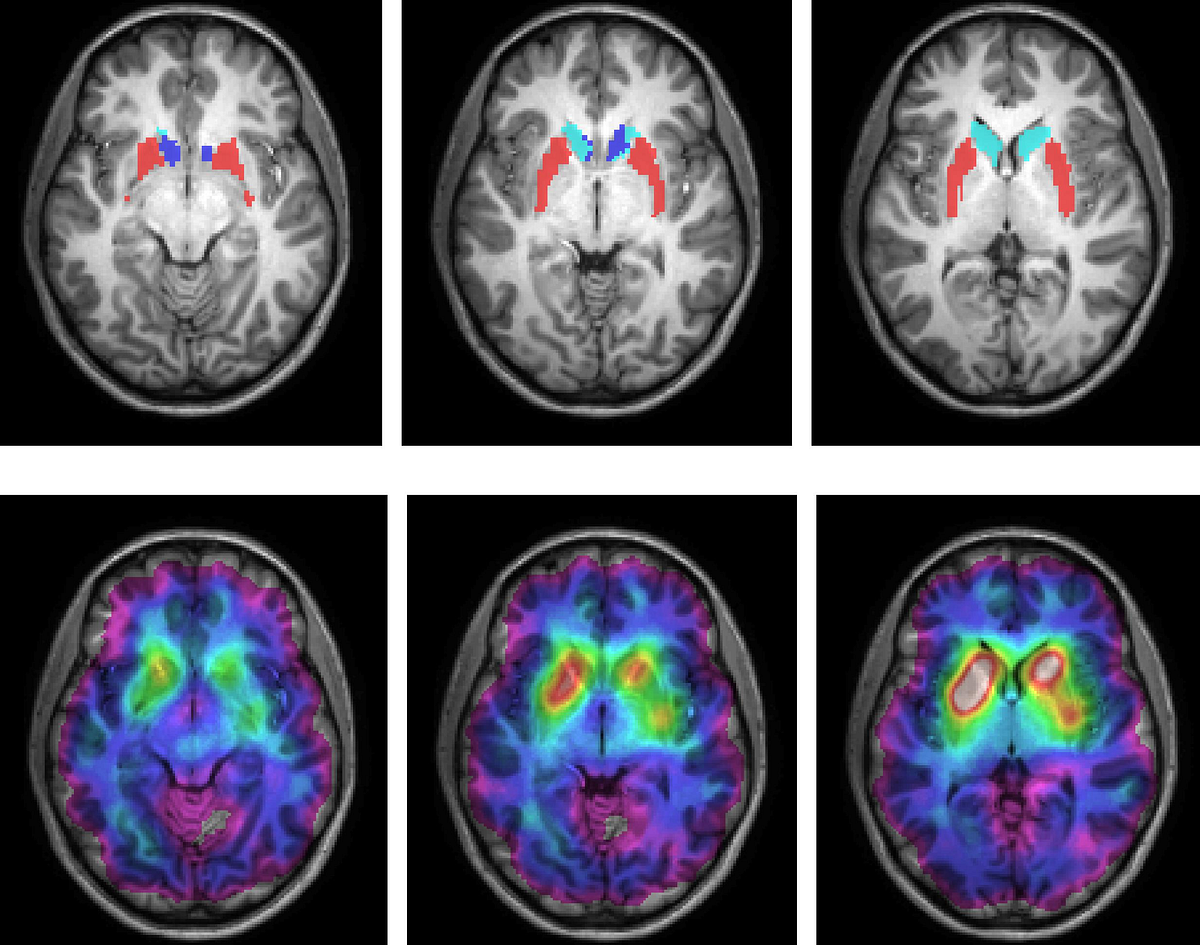
I published three new articles on Medium during my break (each contains a friend link at the top, so you can still read them even if you’re not a Medium member):
That’s it for today!
And now?
Until next time!
Best wishes,
Patricia (Dr. Schmidt) from creatorschmidt.com.