
I just purchased a treadmill for my home. I had been interested in buying one for a while and finally made the move. I use it almost daily, and with winter upcoming in the Southern hemisphere, it’s definitely a good acquisition!
We all know that exercise that raises your heart rate and makes you breathe faster, like brisk walking, biking, or running (whether on a treadmill or not), is good for your cardiorespiratory and overall fitness. But as a neuroscientist, what interests me at least as much as physical fitness is the effects of exercise on the brain.
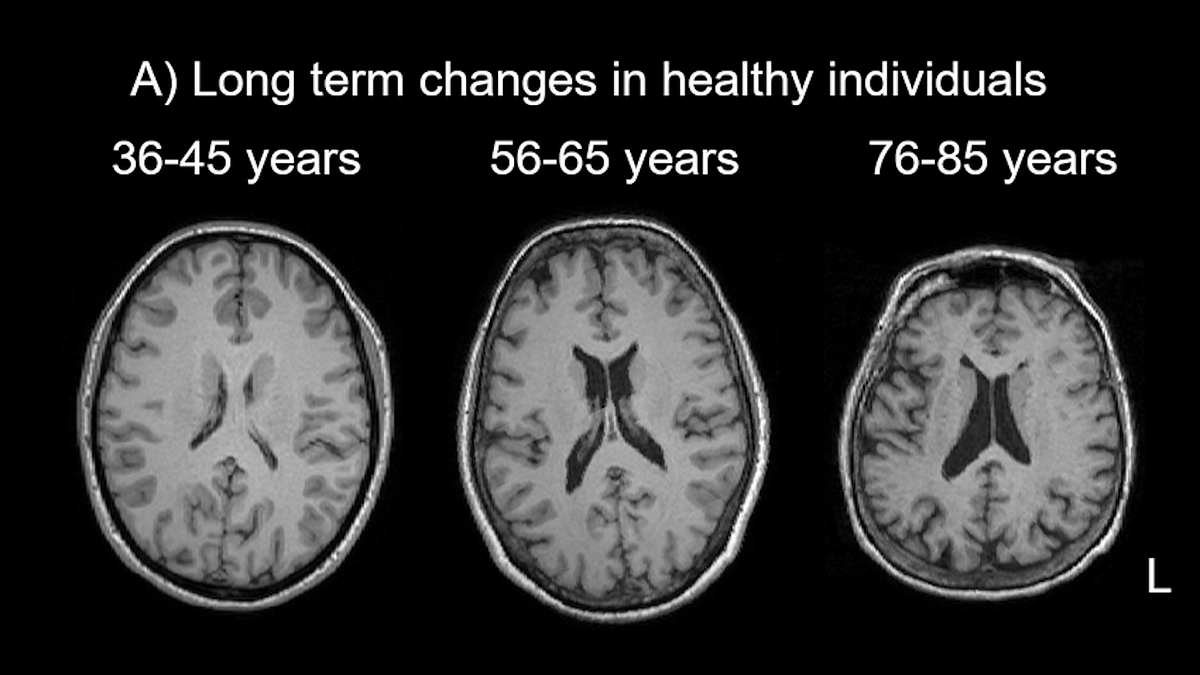
A recent study shows that one year of regular aerobic exercise led to younger-looking brains. In other words, it reversed (and not just slowed down!) brain aging.
Let’s take a look at the details.
What the researchers did
They tested people aged 26 to 58 years. Before the study, all participants engaged in less than 100 minutes/week of structured physical exercise, so they were all rather inactive. The study lasted a year.
Participants were randomly divided into two groups:
Exercise group: People in this group engaged in 150 min/week of moderate-to-vigorous aerobic exercise (divided into 3 sessions), such as brisk walking, treadmill running, or biking.
Control group: People in this group were instructed to refrain from changing their exercise behaviors and only received regular health information.
Researchers obtained brain images from all participants at the beginning and at the end of the 1-year period and used a specialized automated algorithm to estimate brain age from these images.
What they found
The exercise intervention successfully rejuvenated brains: the estimated brain age of people in the exercise group decreased by an average of 0.6 years after 1 year. The control group showed no such effect.
Cardiorespiratory fitness (measured as VO2peak) also improved significantly in the exercise group but not for controls.
These results show that regular aerobic exercise not only improves physical fitness but also brain structure.
What this means
The study results are promising, showing that simple behavioral tools, such as exercise, can have a profound impact on brain aging. A few months ago, I wrote about related research from Arthur Kramer’s group that showed similar results in older adults.
So if you’re currently rather inactive, try to incorporate more movement into your life. Even a brisk 10-minute walk during a work break, doing phone calls while walking, or walking meetings (loved by Steve Jobs, by the way) can help you be more active and do something good for your body and brain.
The closer you can get to the recommended 150 minutes of aerobic exercise per week, the better! That’s also why I got a treadmill. 🙂
What else I’ve been up to:
While we’re on it, here’s an article I wrote on Medium about 3 unconventional or lesser-known exercises to age better:
If you’re not a Medium member, you can read this article for free here.
That’s it for today!
And now?
If you find my newsletter valuable, you can support my work by buying me a coffee here. ☕ It’s how I keep this newsletter free.
Reply to this email with your thoughts or questions. I read every email. 💌
Until next time!
Best wishes,
Patricia (Dr. Schmidt) from creatorschmidt.com
P.S.: Looking for more great newsletters to upgrade your inbox? Find out which other newsletters ATP subscribers love the most.
